
Authentic Travel in Italy
EARTH TO
Italy
We’ve curated a delightful mix of Italy travel guides for your curiosities of history, culture, and gastronomy, because there’s nothing better than going to one of the world’s most popular destinations and finding that there are still undiscovered hidden gems.
There is an abundance of highlights in Italy, from the well-known ancient ruins of Rome and the romantic canals of Venice, to the unknown. Experience the flavors of each region by attending a regional sagre, the harvest festivals in Italy.
Opt in for a leisurely walking food tour through Rome to learn about the dishes that were around even during the empire. Or, go all out in costume at the Venice Carnival in February. I guess what I’m trying to say is that you can experience a whole lot while visiting Italy.
FAST FACTS
Rome
Capital City
65 M
Annual Visitors
59
UNESCO Heritage Sites
6+ Hours
Average flight time from the U.S.
Our Italy Travel Guides


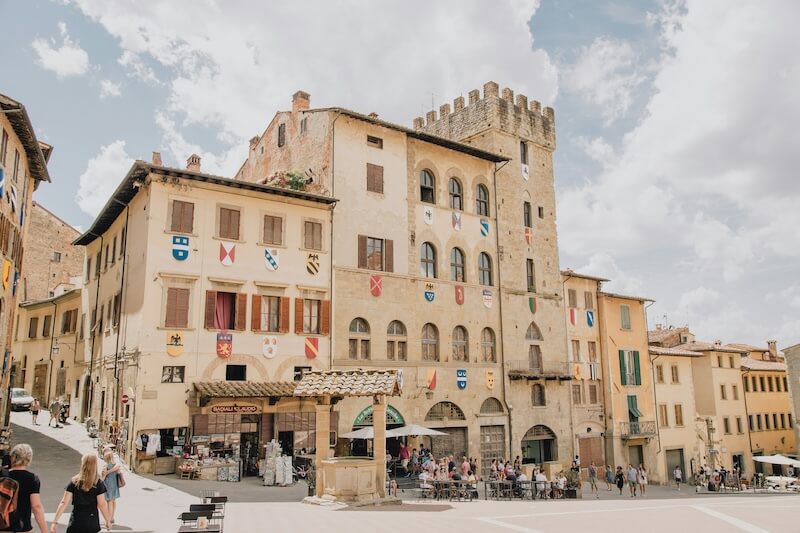
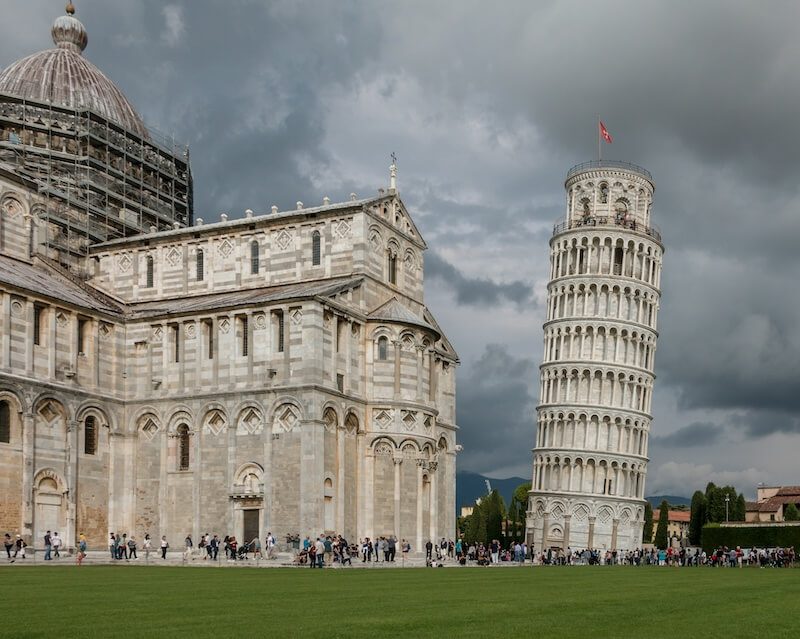


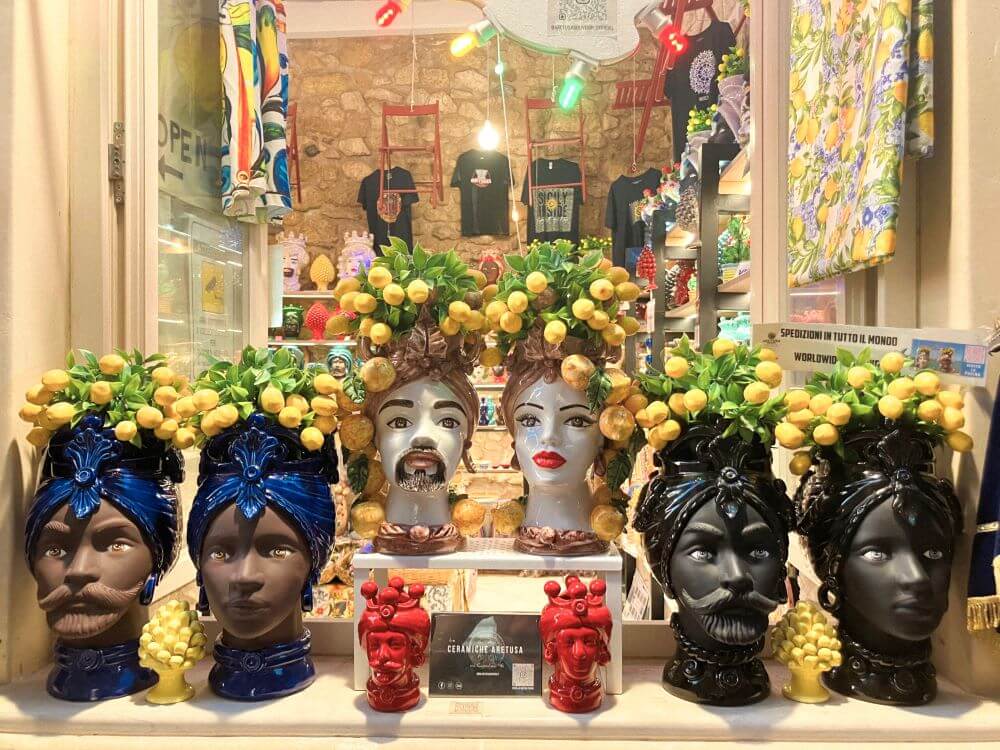


Our Favorite Places in Italy
Why Travel Authentically in Italy?
Italy is an aspirational destination for many, but can you believe that some travelers never fully experience the country?
Some travelers stick to AI-generated itineraries, TikTok recommendations, and an influencer who built their guidebook off an 8-hour layover in Milan. Those travelers visit the tourist traps and wonder why their travels in Italy weren’t as great as they had hoped.
To truly experience Italy, you have to go deeper than crowded piazzas in Rome and or the tourist menus written in English. Authentic Italy is found in its heritage: family-run trattorias, centuries-old festivals, and the quiet countryside lifestyle accessible by renting a car and getting a little lost.


My Italy Top 5
Italy is an experience of food, people, and traditions. Travel with intention, and you’ll take home memories your friends won’t believe.
The Ultimate Local’s Guide to Italy
Discover the hidden side of Italy
Is it possible to find hidden gems in one of the world’s most visited countries? We say YES. Get our ebook on the hidden and unknown regions of Italy.
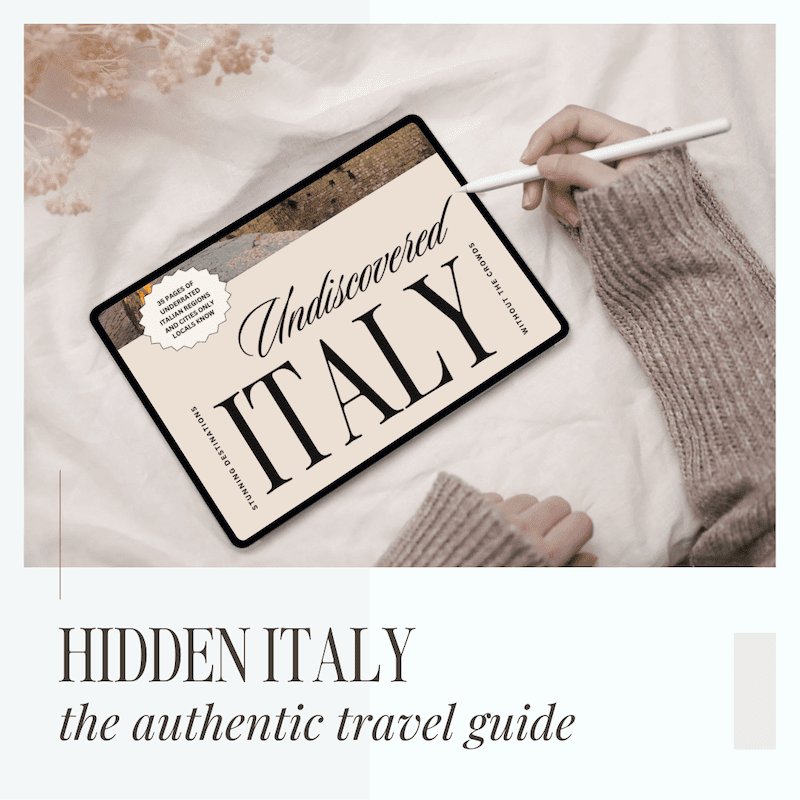
Authentic & Sustainable Italy Travel Guide
Planning with Purpose
Budgeting tips
The best way to save money in Italy is to stay in agriturismi, agricultural bed and breakfasts, and eat where locals eat. Most local restaurants are half the price of tourist hot spots.
How long should a trip to Italy be?
Plan on at least 10–14 days of travel in order to balance big cities with day trips to slower, regional villages.
The best time to go to Italy
Early Spring (April–May) and fall (September–October) are the best months to travel if you want fewer crowds and mild weather. It’s worth noting that businesses close for several weeks in August due to the Ferrogosto holiday. I would consider August the worst time to travel in Italy.
Getting Around Italy the Eco-Friendly Way
Trains in Italy
Italy has two major rail networks, Italo and Trenitalia, that offer high-speed trains between major cities. There is also Trenord, a regional train that is a bit more budget-friendly (and slower). If traveling during the summer, be sure to check if there are any scheduled train strikes.
Local transport
Aside from trains, cities usually have their own bus line, and you can typically pay on board with a credit card.
Ridesharing
Uber, the ridesharing app, isn’t in Italy, so if you need to get around, I suggest downloading BlaBlaCar. This app is more for carpooling.
Bike sharing apps
Major cities, like Milan, Florence, and Rome, have bike-sharing options where you can rent a bike by the minute.
Cultural Tips
Surviving slow travel in Italy requires being a bit of a culture chameleon. Some cities are historic and traditional, and the people living there may expect you to adhere to certain lifestyle rules. Here’s a crash course guide to Italian etiquette, especially pertaining to eating and sharing meals.
Respect the midday riposo
Similar to how the Spanish are known for their afternoon nap (siesta), many Italian restaurants practice a similar activity called riposo. This is when restaurants, bars, and cafes close between the hours of 1-3 pm. If you’re planning to have lunch out somewhere, take note of these closing times and be sure to plan ahead.
Understand the antipasti, primi, and secondi
When Italians eat at a restaurant, they usually enjoy their meals in three or more courses. The most common courses are: antipasti, a salad or a selection of meat and cheese eaten before the meal, primi, a small plate of pasta, and secondi, a heartier plate of meat and vegetables. The equivalent in the English-speaking world would be: appetizer, first course, and second course.
Relish in la Passeggiata
After dinnertime, you’ll usually see people strolling around town. This post-dinner walk is called ‘la passeggiata‘ and is a beloved cultural experience that locals perform religiously, and travelers gladly adopt. La passegiata aids in digestion, circulation, and plus, it’s simply fun. Spark a casual chat when you’re contentedly full; there’s no better way to connect with locals!
Where to Stay: Authentic Accommodations
Whoever dreamed of going to Italy and staying at a Holiday Inn? Skip the cookie-cutter hotels and stay somewhere that tells a story:
Agriturismi
Farm stays where you can taste olive oil, wine, and meals straight from the land.
Boutique guesthouses
Locally owned, often in historic buildings.
Eco-lodges & certified green hotels
For travelers focused on sustainability.
Eat Like a Local
Contrary to what some restaurants will have you believe, Italian cuisine is not all just pasta and tiramisu. After visiting a few different regions in Italy, you’ll find that the cuisine can be fiercely regional. As for wine, be sure to travel to Italy’s lesser-known wine regions, Franciacorta and Sicily.
Northern Italian Cuisine
Hugging the Alpine mountains, northern Italian cuisine leans on hearty breads, stews, and meats. The cuisine is almost Germanic. Popular dishes like Polenta and risotto originated here.
Central Italian Cuisine
This is the agricultural heart of Italy, and where you’ll find an emphasis on good quality olive oil and lots of wine. Come to central Italy for handmade pasta, olive oil, truffles, and Tuscan wines.
Southern Italy & The Islands
Southern Italian cuisine aligns more with the quintessential Mediterranean diet, with lots of fresh seafood and citrusy flavors. Southern Italy is best known for grilled octopus and pizza. Sicily is Italy’s dessert capital, as the proud inventors of the cannolo.
Travel tip: Eat seasonally, visit open-air markets, and seek out sagre (small-town food festivals).


