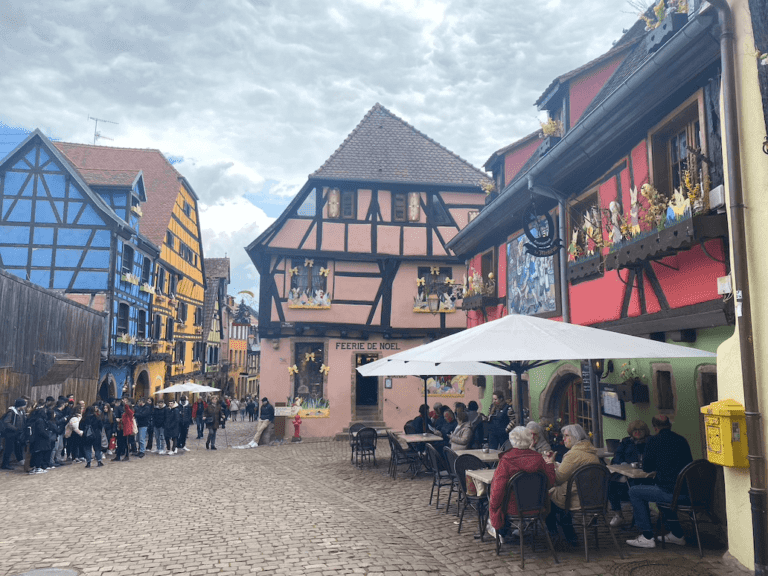
Overtourism, the phenomenon of too many visitors flooding popular destinations, has become one of the most pressing issues in modern travel. While it may seem like the more people that visit a destination, the better for its economy, the reality is more complicated. The rise of social media, budget airlines, and the ease of global travel has led to unprecedented numbers of tourists flocking to iconic spots, creating a massive strain on the environment, local communities, and, ironically, the travel experience itself.
Unfortunately, some of the most popular destinations in the world are already experiencing the negative effects of overtourism. But how exactly does overtourism and overcrowding impact the destination and the visiting traveler?
This past year, I’ve been working behind the scenes to get a deeper understanding of these impacts. As a frequent traveler myself, I want to know what’s going to happen to the places around the world that I’ve fallen in love with!
We’ll dive into how overtourism affects wildlife, local communities, and the travel experience, highlighting specific places that have been deeply impacted, and exploring what we, as responsible travelers, can do to mitigate its consequences.
1. Impact on Wildlife: Trampling Ecosystems and Disturbing Habitats
Tourism can be a major boon for the economy, but it often comes at the expense of the very ecosystems that attract tourists in the first place. Popular wildlife destinations are particularly vulnerable, as the influx of visitors can disrupt fragile habitats, leading to a loss of biodiversity and disturbing animal behavior.
This October, I’m thrilled to give a TEDx presentation on the effects of overtourism and how we as travelers can do better. Tune in to find out how the tourism industry is negatively impacting ecosystems from Thailand to California.
The Galápagos Islands
The Galápagos Islands in Ecuador are one of the most famous wildlife hotspots in the world, attracting nature lovers hoping to see giant tortoises, marine iguanas, and blue-footed boobies in their natural habitat. However, with tourism numbers on the rise, the islands are facing an existential threat.
While the local economy depends heavily on tourism, the sheer volume of visitors puts immense pressure on the fragile environment. The islands are home to species that evolved in isolation, making them especially vulnerable to human activity.
The introduction of non-native species, often by tourists unknowingly transporting seeds or animals in luggage, has led to competition with local wildlife and changes in food chains. Additionally, tourists may unknowingly disrupt breeding sites or disturb animal behavior. For example, giant tortoises, which are incredibly slow-moving, are vulnerable to being harassed by curious visitors trying to get too close.

Yellowstone National Park, USA
Yellowstone National Park in Wyoming, Montana, and Idaho is another classic example. Over 4 million tourists visit annually, now making Yellowstone experience the effects of overcrowding. The park’s wildlife, including bison, wolves, and elk, is increasingly stressed by human interference.
Bison are often seen grazing near roads or even in parking lots, a sign that they’re being pushed out of their natural habitats by human encroachment. Not only does this disrupt feeding and migration patterns, but it can also result in dangerous encounters between tourists and animals.
While most tourists don’t intend to harm wildlife, many fail to follow basic guidelines about keeping a safe distance from animals. This can lead to further stress on the animals and potentially unsafe interactions.
The Great Barrier Reef, Australia
On the opposite end of the spectrum, marine ecosystems like the Great Barrier Reef are suffering from the combined effects of overtourism and climate change.
Snorkelers frequently damage delicate coral reefs, either through accidental contact or the anchoring of boats when they arrive at the diving site. Additionally, the pollutants tourists bring (like sunscreen and trash) further stress the marine life that depends on this fragile ecosystem.
Coral bleaching, a phenomenon accelerated by climate change and warmer waters, is exacerbated by overtourism, leading to the loss of biodiversity and the degradation of one of the world’s most treasured natural wonders.
2. Impact on Local Communities: Rising Costs, Displacement, and Cultural Erosion
While wildlife suffers from overtourism, so do the people who live in the areas being visited. For many local communities, the benefits of tourism are outweighed by the negative effects it has on their everyday lives, economies, and cultures.

Venice, Italy
Venice, one of the world’s most iconic cities, is an example of how tourism can have serious consequences for local populations. Famous for its canals, narrow alleyways, and historic architecture, Venice attracts millions of visitors each year.
Unfortunately, this influx of tourists has led to sky-high prices for everything from rent to basic goods. Local residents are increasingly being priced out of their homes, as landlords prefer to rent out apartments to tourists or short-term vacation rentals. This phenomenon, known as touristification, has led to the hollowing out of many neighborhoods in Venice.
In addition to economic displacement, the influx of visitors has made it increasingly difficult for residents to maintain their cultural practices and way of life.
Many small, family-run businesses are being replaced by souvenir shops and expensive, mass-market restaurants. In essence, the character of the city is being eroded, its historic and cultural essence fading in the face of tourist demand.
“We want a complete and total ban on visitors trying to come to our city.”
Bali, Indonesia
While the tourism industry has provided jobs and boosted the local economy in Bali, it has also led to a rise in inequality and a loss of cultural authenticity. The influx of foreign tourists has driven up the cost of living, with locals struggling to afford basic necessities like food and housing.
Cultural traditions, particularly in Bali’s rural areas, have been affected by the growing demand for entertainment tailored to tourists. Traditional dances, ceremonies, and rituals are often performed for the benefit of visitors rather than being part of a living cultural practice.
In some cases, sacred temples and monuments have become more commercialized, turning from places of worship into “Instagram hotspots.”
Barcelona, Spain
Barcelona is another city where locals have become increasingly frustrated with overtourism. In recent years, the rise of budget airlines and platforms like Airbnb has contributed to an explosion of visitors in the Catalonian capital.
As the city becomes more tourist-centric, long-time residents have been forced to move out due to skyrocketing rents and the displacement of local businesses. What was once a city famous for its vibrant culture and local identity now feels like a playground for international travelers.
Locals have started pushing back. Protests against cruise ships in the harbor and calls for regulations on short-term rentals have become commonplace. While interviewing locals around the world, one protester in Barcelona told me, “We want a complete and total ban on visitors trying to come to our city.”
3. The Impact on the Traveler’s Experience: Crowds, Waiting, and Commercialization
While overtourism may seem like a dream for a destination’s economy, it also diminishes the very experiences travelers seek. From overcrowded attractions to the loss of authenticity, travelers themselves are feeling the effects of mass tourism.

Machu Picchu, Peru
Perhaps one of the most famous examples is Machu Picchu in Peru. The ancient Incan city is one of the most sought-after travel destinations in the world and accepts over 1.5 million visitors each year. But the popularity of the site has led to serious concerns about its preservation.
To control the crowds, authorities have implemented a limit on the number of visitors per day, but even with restrictions in place, the site is often crowded, and long lines have become part of the experience.
For tourists, the allure of visiting such a historic and remote location is often tempered by the reality of the crowds. Instead of feeling awe-inspired by the beauty of the site, many visitors are frustrated by the logistical challenges posed by the throngs of other tourists, the need to book tickets months in advance, and the commercialization of the area surrounding the site.
Read Next: The Essential 14-Day Peru Itinerary: Machu Picchu to Huacachina
Paris, France
Paris is another city where overtourism has diluted the traveler experience. Known for its museums, monuments, and vibrant culture, Paris attracts millions of tourists every year.
However, the city’s most famous attractions, like the Eiffel Tower, Louvre, and Notre Dame Cathedral, often face massive crowds, leading to long waits and frustrating experiences for those hoping to catch a glimpse of the city’s charm. Even though the Louvre attracts the largest volume of visitors, there are over a hundred lesser-known museums in Paris.
In some cases, the commercialization of these sites has made them feel more like theme parks than cultural landmarks. The streets near major tourist attractions have been overtaken by souvenir shops and restaurants serving overpriced food aimed at tourists. The cost of dining out or enjoying a drink in the heart of the city can be prohibitively expensive, further detracting from the authentic Parisian experience.

What Can We Do?
What can we do to help combat the negative effects of overtourism while still enjoying the places we love?
1. Travel Off-Season
Visiting destinations during the off-season can dramatically reduce the number of tourists and help relieve the pressure on local communities and ecosystems. We recently shared the best time to visit Paris, which (surprise, surprise) isn’t during the summer.
2. Support sustainable and responsible tourism
Choose eco-friendly accommodations, support local artisans, and book tours that promote environmental and cultural sustainability. If you’re planning a trip to Europe this year, consider booking an agritourism stay in the heart of Tuscany, rather than in the middle of Venice.
Read Next: Ecotourism, Slow Travel or Culture Travel: Choose Your Adventure
3. Explore lesser-known destinations
Consider traveling to off-the-beaten-path destinations that are less likely to suffer from overtourism. Smaller towns or rural areas often offer authentic experiences and are more appreciative of tourists who are willing to explore outside the usual hotspots.
You might also try one of this year’s hottest travel trends: the destination dupe! Rather than visit the overly-hyped place that everyone else is going to, you might choose a place that is similar but unknown.
For instance, there are over 6,000 Greek islands, and yet so many travelers only go to Santorini. Why? Santorini is well-known, equipped for tourists, and is a docking point for major cruise ships. If you’re going to Santorini, prepare to muscle through crowds and contribute to overtourism.
But a trip to Hydra, an island that doesn’t even have any cars? Now that is a lesser-known hidden gem in Greece.
4. Respect local culture and wildlife
Follow local guidelines, keep a safe distance from wildlife, and avoid overcrowding sensitive sites. Be mindful of the environmental impact of your travel, whether it’s reducing plastic waste or using eco-friendly products.
Venturing off the beaten path will help you explore authentic culture in a way that is not performative for tourism. Consider taking a trip to a small village, or explore cultural identity through local events, such as the sagre events (harvest festival) in rural Italy.

Overtourism is a complex issue that affects wildlife, local communities, and the travel experience itself. By becoming more responsible travelers, we can help preserve the places we love and ensure that future generations can enjoy them too.
So, the next time you’re planning a trip, consider how your actions might impact the destination you’re visiting. A little extra thought can go a long way in making the world a better place for everyone.